Why we're all a little bit related

Consanguinity without sensationalism

Author Marzena Dzienniak · 18 January 2026

The maths that spoils the romantic view of the past

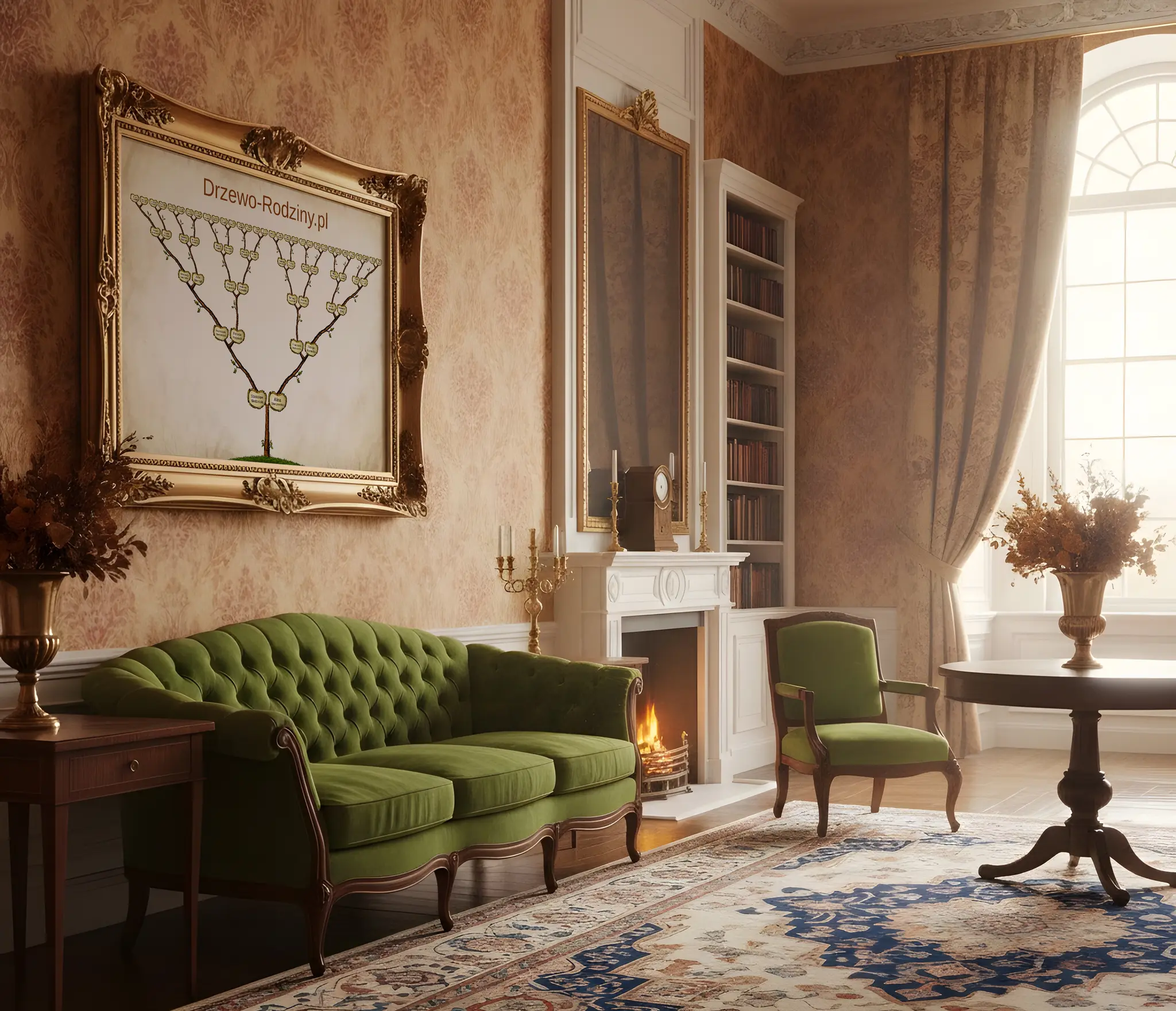
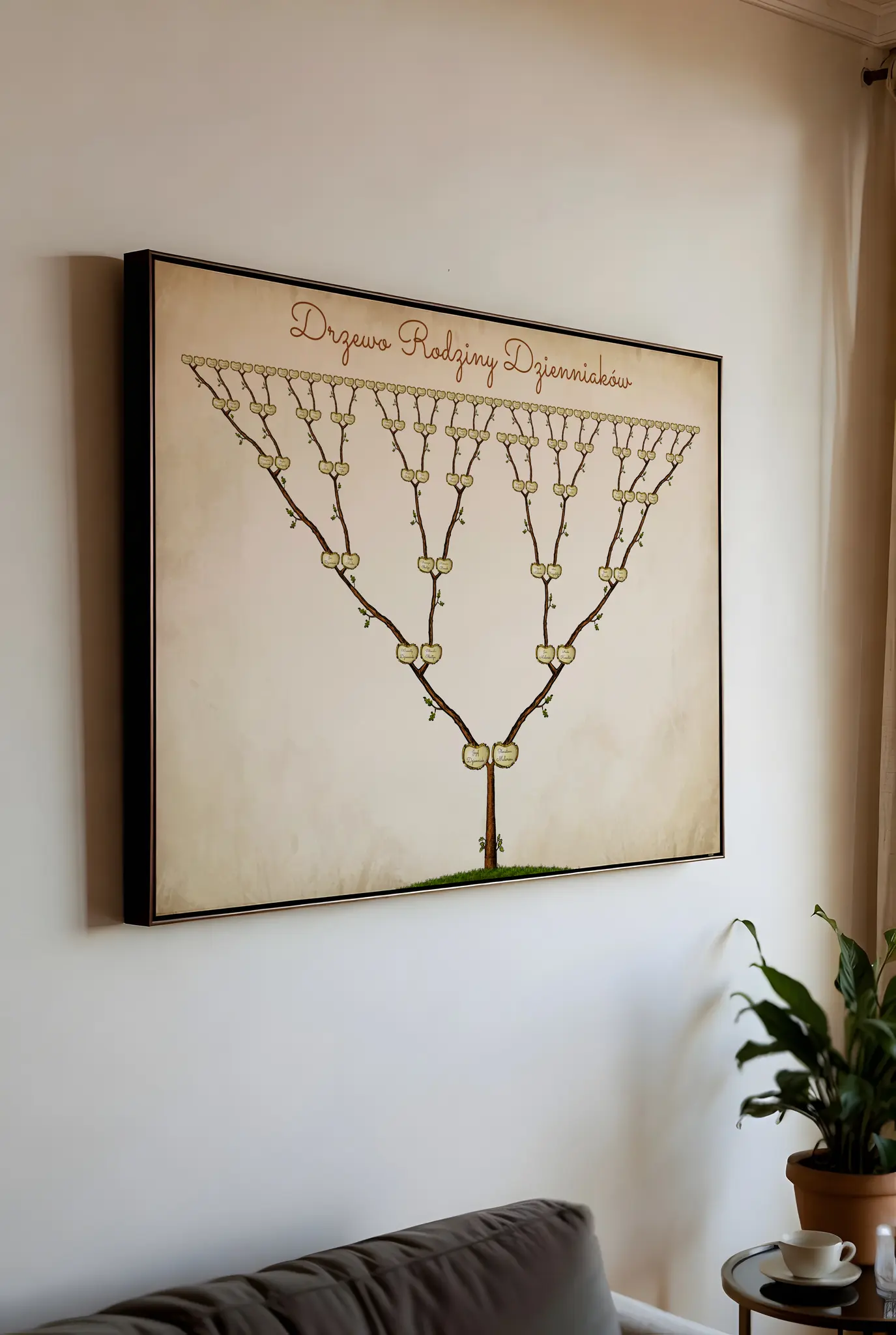
The pattern is simple:

  • parents: 2
  • grandparents: 4
  • great-grandparents: 8
  • 4 generations back: 16
  • 5 generations: 32
  • 10 generations: 1024
  • 20 generations: over a million

After about 30–35 generations we are talking about billions of ancestors.

And yet:

  • there were not that many people,
  • they did not all live at the same time,
  • they did not move freely around the world.

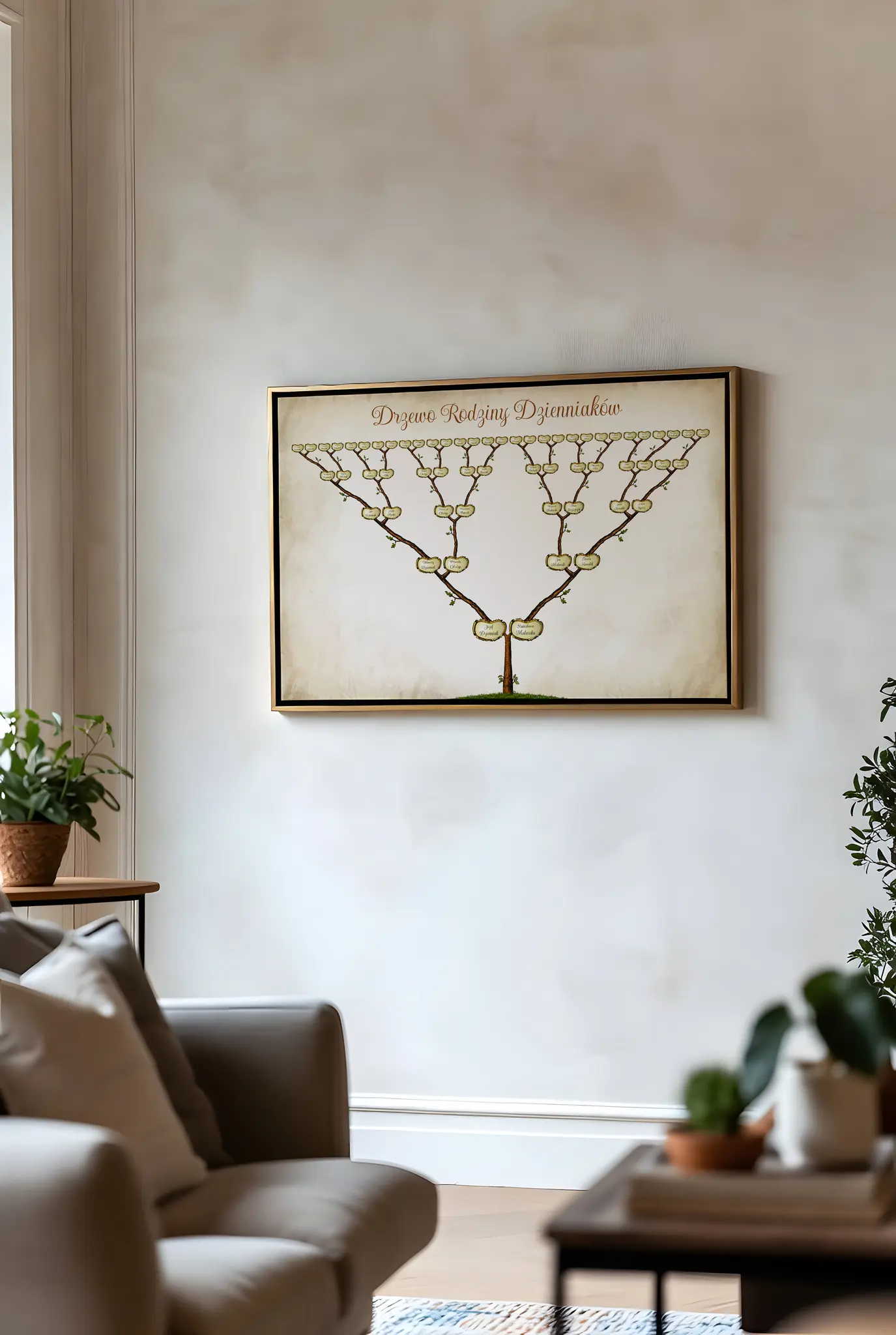
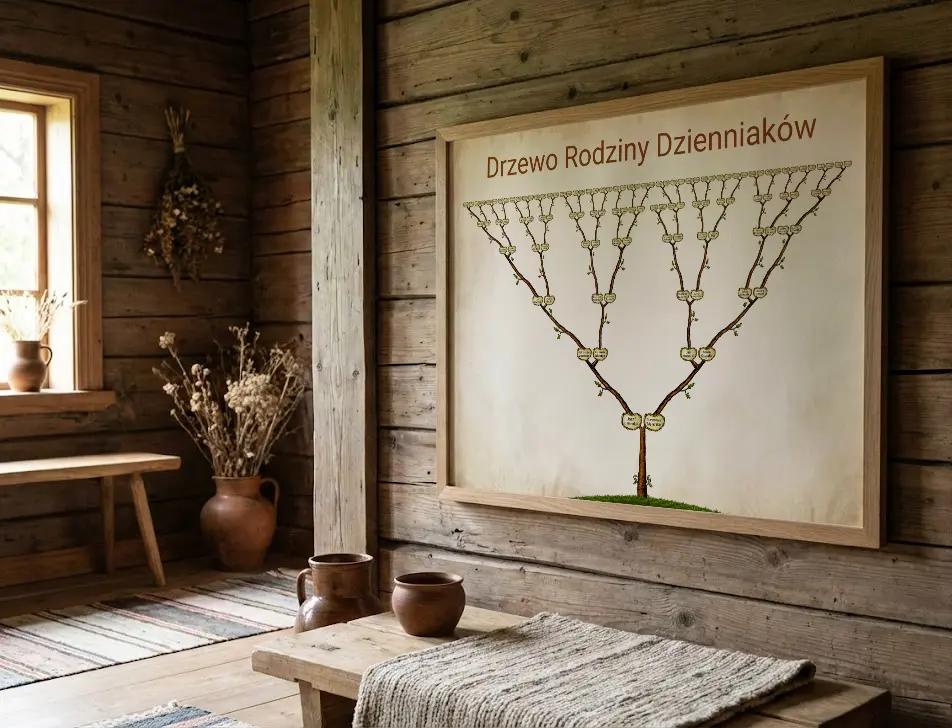
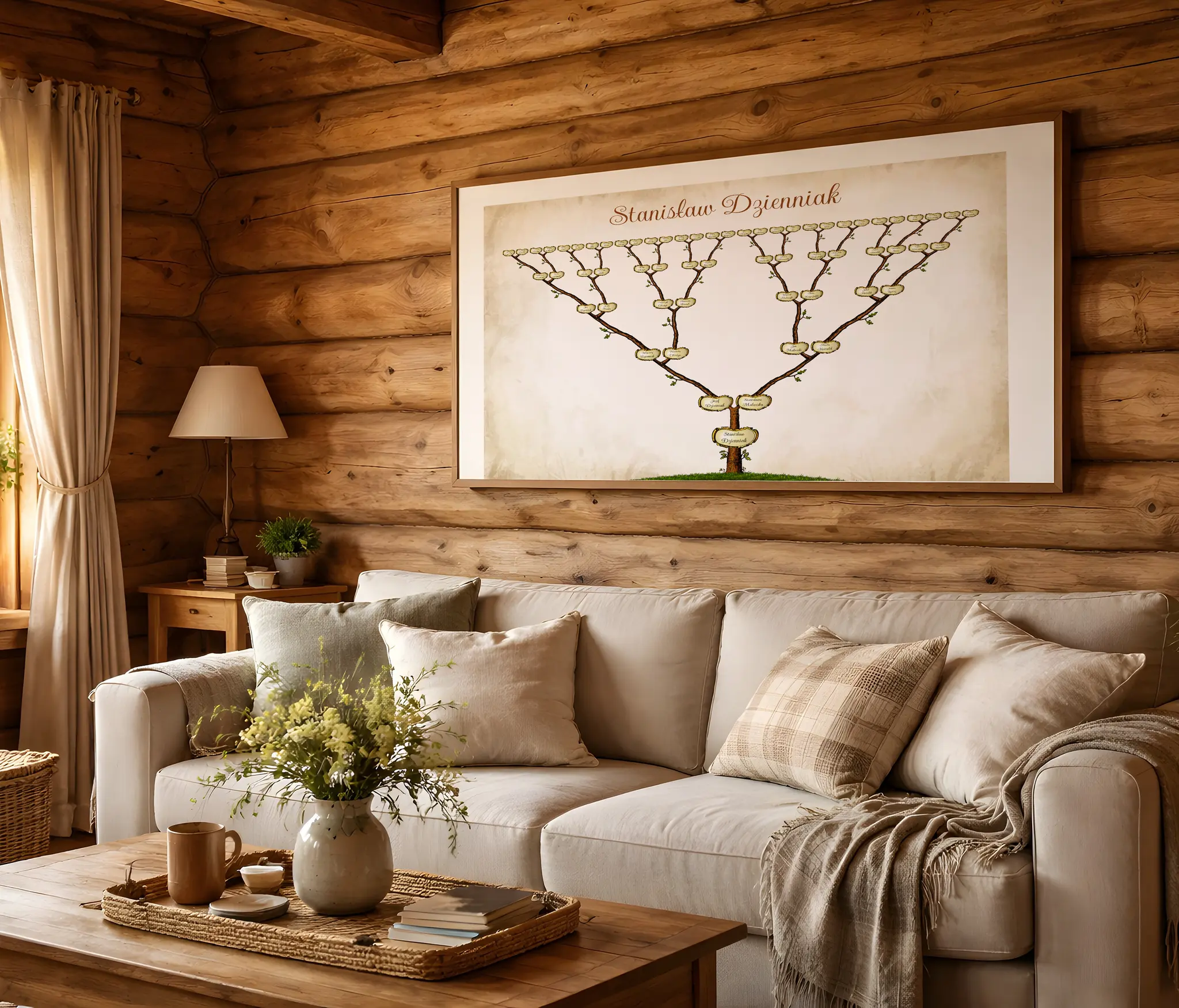
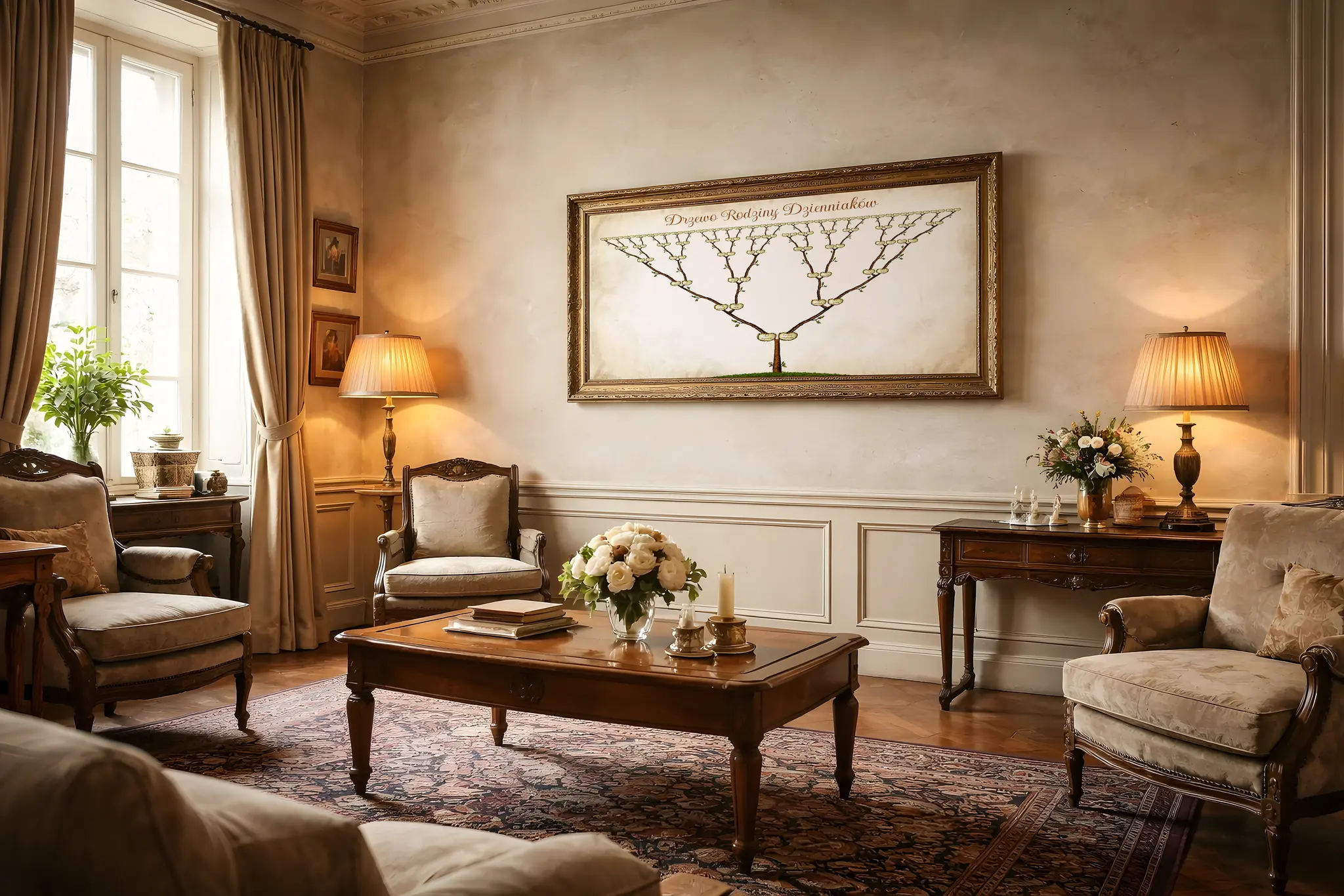
The conclusion is simple: the same people appear in our family tree many times over.
Family tree

We are all “a little bit” from one village

Family tree

For most of human history people:

  • lived locally,
  • moved rarely,
  • married within the same village, parish, or a few neighbouring places.

In the countryside especially, the pool of potential partners was limited. Not because people wanted consanguinity, but because there was no alternative.

The result?

  • cousins married cousins,
  • more distant kinship loops closed,
  • the same surnames kept coming back in the records like a refrain.

What we would today call “close kinship” was often simply the demographic norm.

Consanguinity without sensationalism

The word “consanguinity” sounds like taboo. It suggests crossed lines, violence, scandal. Genealogy shows something less sensational — and more human.

We are not talking about parent–child or sibling relationships. We are talking about the realities of eras in which:

  • genetics was unknown,
  • modern legal norms did not exist,
  • what mattered was the survival of the lineage, the land, the farm.
Family tree

When the numbers meet my own story

Family tree

When I started digging into my own family, the theory stopped being abstract.

I found a marriage of my ancestors in which:

  • their grandparents were siblings,
  • so the spouses shared the same great-grandparents.

To a modern ear that sounds worrying. To them it was simply “normal”. That was the social structure, that was the pool of people, that was the world.

Why it is worth talking about

Because it shifts perspective:

  • we stop idealising the past,
  • we understand genetic similarities better,
  • we see that “pure” pedigree is a myth.

The further back we go, the more we all become… family.

Family tree
Family tree

The punchline you cannot skip

If you think your family tree definitely has no loops — you probably just have not found them yet.

Because human history is not an elegant tree. It is a dense web of connections, and each of us is a knot in it.

And perhaps that is why, instead of outrage, this knowledge should teach us humility.